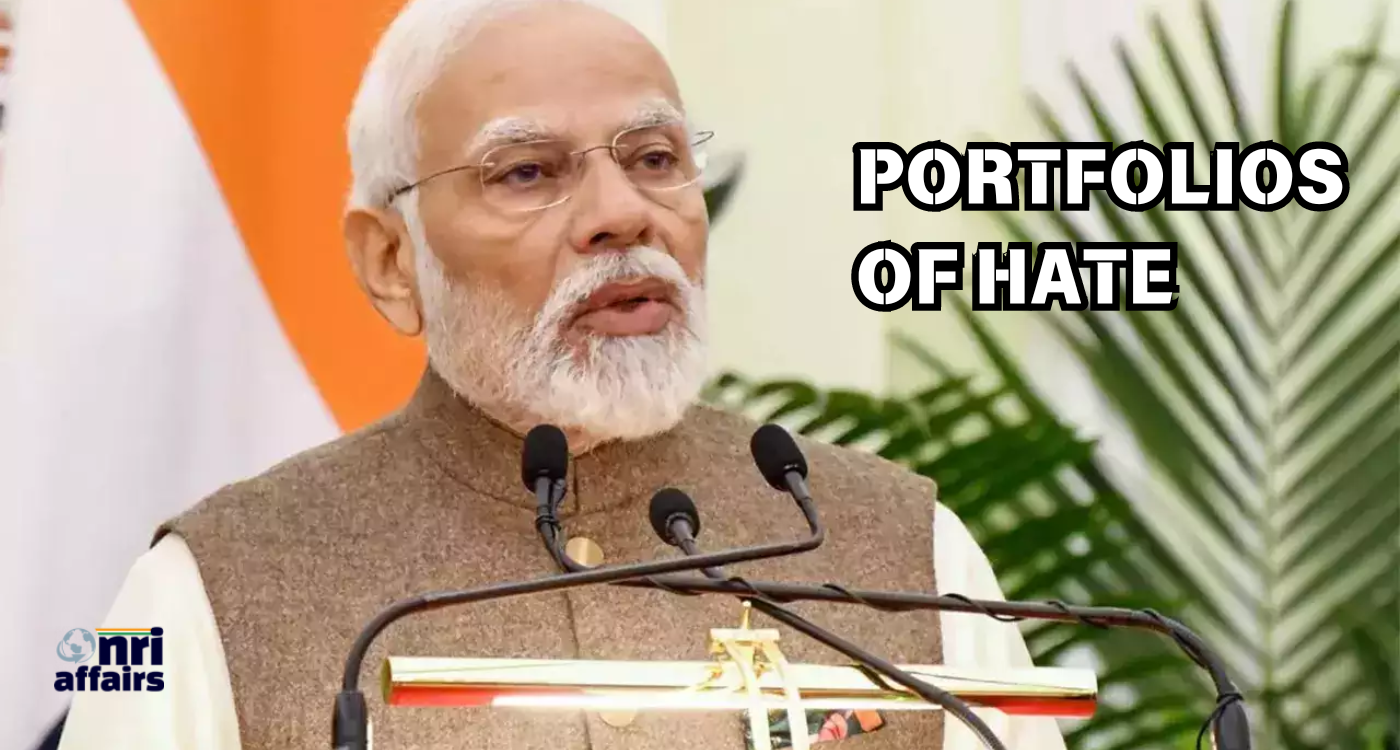
In the global arena, trade agreements between countries play a crucial role in promoting global trade and strengthening economic relations. Recently, the trade deal between India and Australia has come under scrutiny as concerns arise regarding potential ethical and social implications, particularly concerning child labour in India.
Understanding the Trade Deal
The trade deal between India and Australia was conceived with the aim of fostering bilateral trade, promoting investments, and boosting economic cooperation between the two nations. Under this agreement, both countries have agreed to reduce tariffs on a wide range of goods, facilitate smoother trade procedures, and encourage greater investment flows.
However, despite the potential economic benefits, the deal has faced criticism from various quarters, particularly in Australia’s parliamentary circles. The concerns primarily revolve around reports and allegations of child labour practices in India, which have raised ethical and moral questions about the trade partnership.
Australian Parliament’s Inquiry
The Australian Parliament, cognizant of its responsibility to uphold ethical standards in international trade agreements, has initiated an inquiry into the trade deal with India. The inquiry aims to assess the veracity of claims regarding child labour in India and evaluate the adequacy of safeguards within the agreement to address such concerns.
In a recent report, the parliamentary committee highlighted several troubling findings regarding the prevalence of child labour in certain sectors of the Indian economy. The report cited instances of underage children being employed in hazardous industries, such as textiles and manufacturing, where they are exposed to unsafe working conditions and denied access to education and basic rights.
Ethical Considerations and Social Impact
The issue of child labour raises profound ethical considerations for both India and Australia. While India grapples with the challenge of eradicating child labour and improving labor standards, Australia faces ethical dilemmas regarding its trade relations with countries where such practices persist.
From a social impact perspective, the exploitation of child labour not only deprives children of their fundamental rights but also perpetuates cycles of poverty and inequality. By tacitly condoning or benefiting from such practices through trade agreements, countries risk undermining their moral authority and exacerbating social injustices.
Policy Recommendations and Way Forward
In light of the parliamentary inquiry’s findings and the ethical implications raised, it is imperative for both India and Australia to reassess the terms of their trade deal and incorporate robust safeguards against child labour and other forms of exploitation. This may include stricter enforcement mechanisms, enhanced monitoring of supply chains, and support for initiatives aimed at eliminating child labour and promoting education.
Furthermore, stakeholders from both countries, including governments, businesses, and civil society organizations, must engage in constructive dialogue and collaboration to address the root causes of child labour and foster sustainable development. By prioritizing ethical considerations and social responsibility in trade relations, India and Australia can forge a partnership that not only advances economic interests but also upholds fundamental human rights and values.
In conclusion, the trade deal between India and Australia represents a significant opportunity for economic cooperation, but it also raises important ethical considerations regarding child labour and labor standards. By addressing these concerns transparently and proactively, both countries can strengthen their trade partnership while upholding their commitments to human rights and social justice. Through collaborative efforts and a commitment to sustainable development, India and Australia can set a precedent for responsible trade practices that prioritize the well-being of workers and communities worldwide.